April 22, 2026
Dealing with a flat tire might seem daunting, especially for those with little experience in car maintenance. Yet, it is a task that, with some knowledge and preparation, can be tackled safely and efficiently. Knowing the necessary steps can help reduce anxiety and ensure your safety throughout the process. This article aims to equip you with the confidence and skills required to handle a flat tire situation effectively. Understanding the problem and being prepared can turn an inconvenient event into a manageable task.
Having a structured plan in place for emergencies like a flat tire can save you time and prevent further inconvenience. The more familiar you are with the steps involved, the quicker you'll be able to get back on the road. Each section of this article will delve into detailed procedures, offering clear and practical advice. By the end, you should feel empowered to tackle a flat tire situation with minimal stress. Read on to learn how to handle flat tires with the assurance of an expert.
1. Find a Safe and Level Working Location
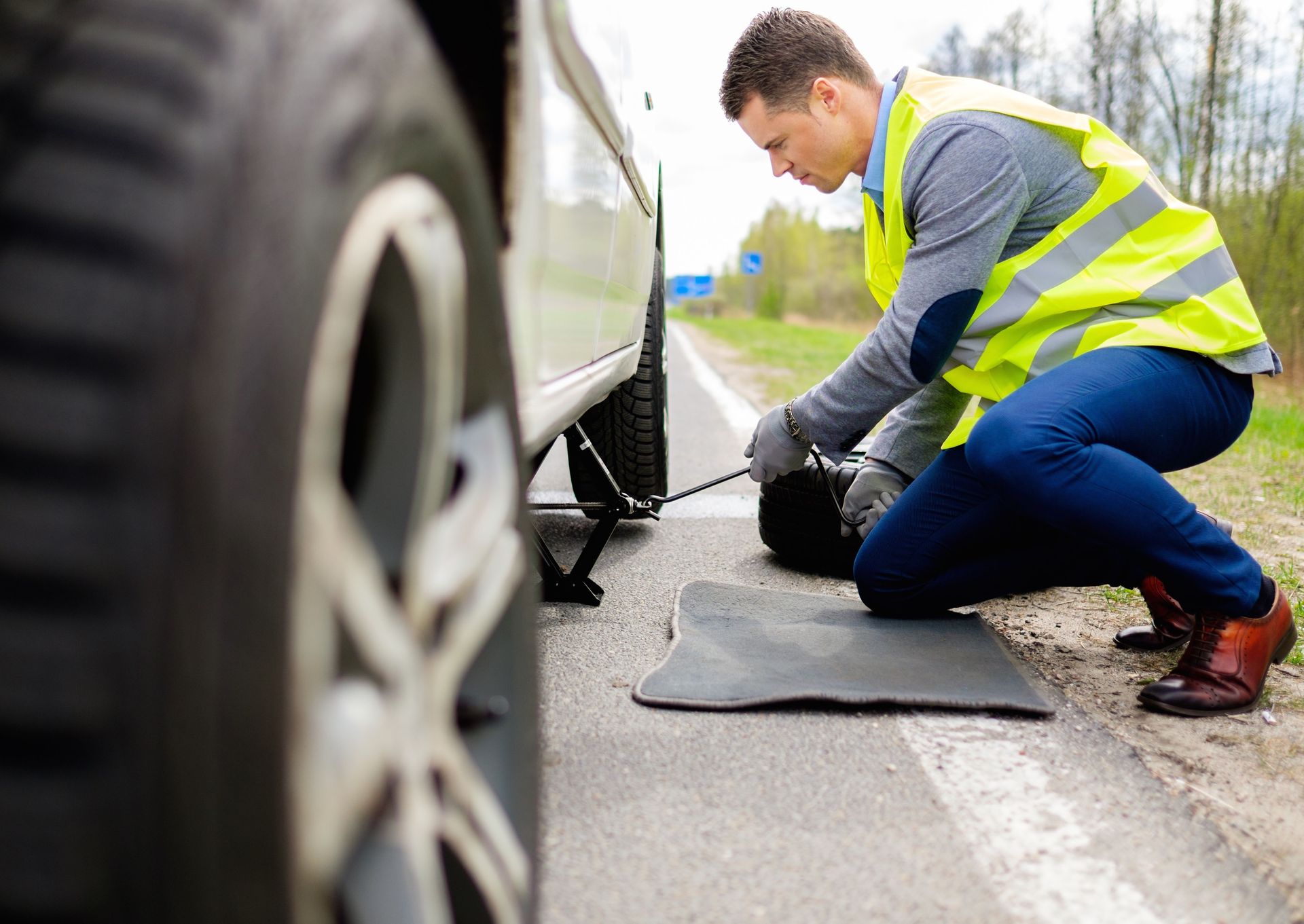
When you first realize that your vehicle is pulling to one side or you hear that unmistakable rhythmic thud, your immediate priority is to find a safe spot to pull over. It is easy to panic, but you really want to avoid stopping in the middle of a busy lane or on a narrow shoulder where traffic is zooming by. According to Agero, 220 million flat tires occur in the U.S. every year, so you are certainly not alone in this situation, but being part of a statistic doesn't mean you should take risks with your physical safety. Look for a parking lot or a wide, flat stretch of road well away from moving cars. If you find yourself in a spot that feels too dangerous to work in, it is always a better idea to call for professional help.
2. Gather the Correct Tools for the Job
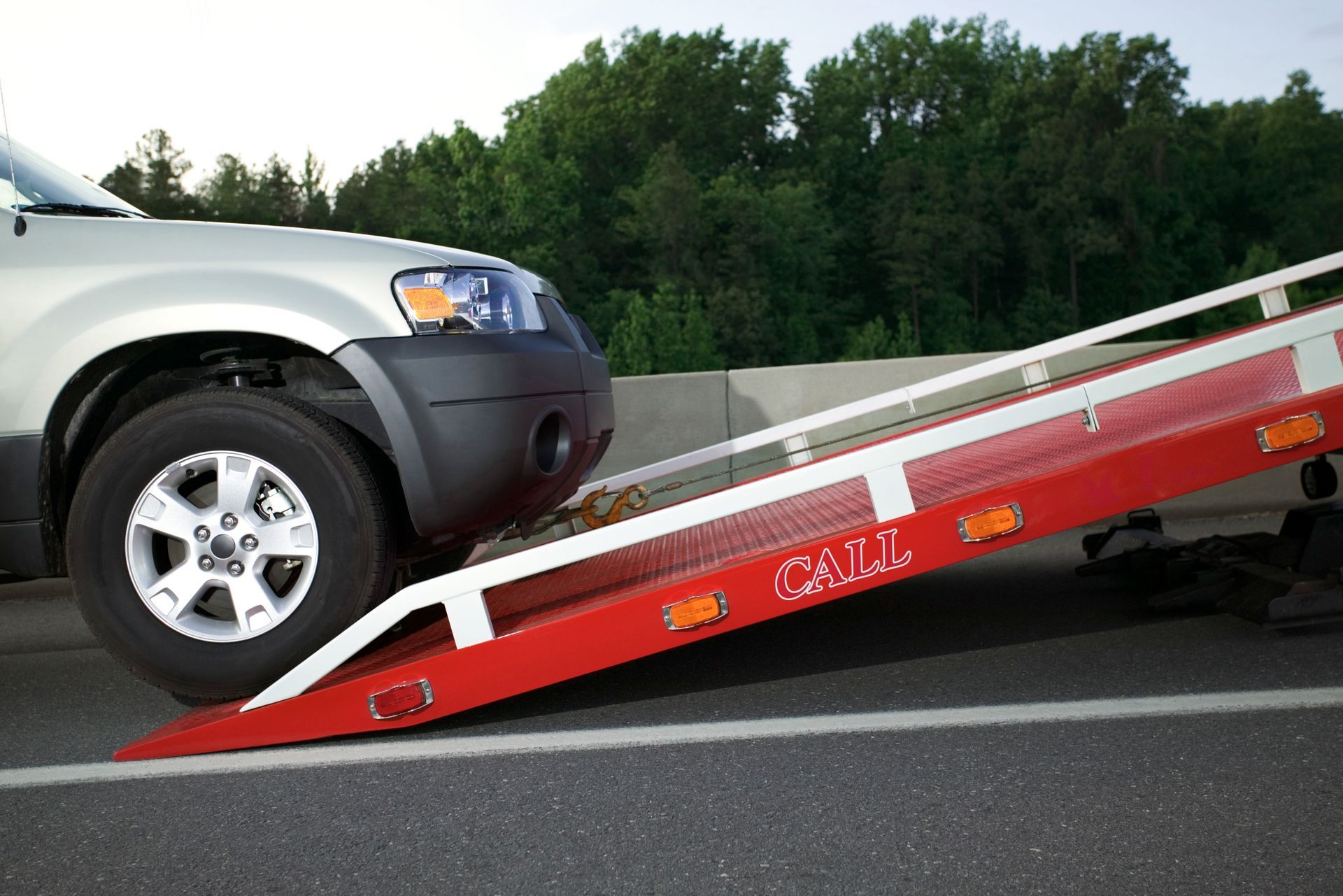
Once you are safely tucked away from the flow of traffic, you need to make sure you actually have everything required to swap out the tire. Most cars come equipped with a basic kit, usually tucked away under the floor of the trunk or in a side compartment. You are going to need your spare tire, a jack, and a lug wrench. It is a good habit to check the air pressure in your spare tire every few months, as they can lose air over time just sitting in the trunk. There is nothing more frustrating than going through the effort of removing a flat only to realize your spare is also soft. If you find that your spare is flat or if you discover that your vehicle didn’t come with a spare—which is common in many newer models—you will likely need to start looking for towing companies to transport you to a repair shop.
3. Loosen the Nuts and Lift the Vehicle
Now that you have your tools ready, it is time to get to work on the wheel itself. Before you even think about touching the jack, you must use the lug wrench to loosen the lug nuts on the flat tire. You want to do this while the tire is still firmly on the ground so the wheel doesn't just spin while you are trying to crank the wrench. These nuts can be incredibly tight, so don't be afraid to use a bit of body weight to get them moving. You aren't taking them all the way off yet; just a turn or two to break the tension is perfect. After they are loose, you can position the jack under the vehicle’s frame. Most cars have specific "jacking points" reinforced for this exact purpose, so check your owner's manual if you aren't sure where they are. Slowly crank the jack until the flat tire is completely off the ground.
4. Remove the Flat and Mount the Spare
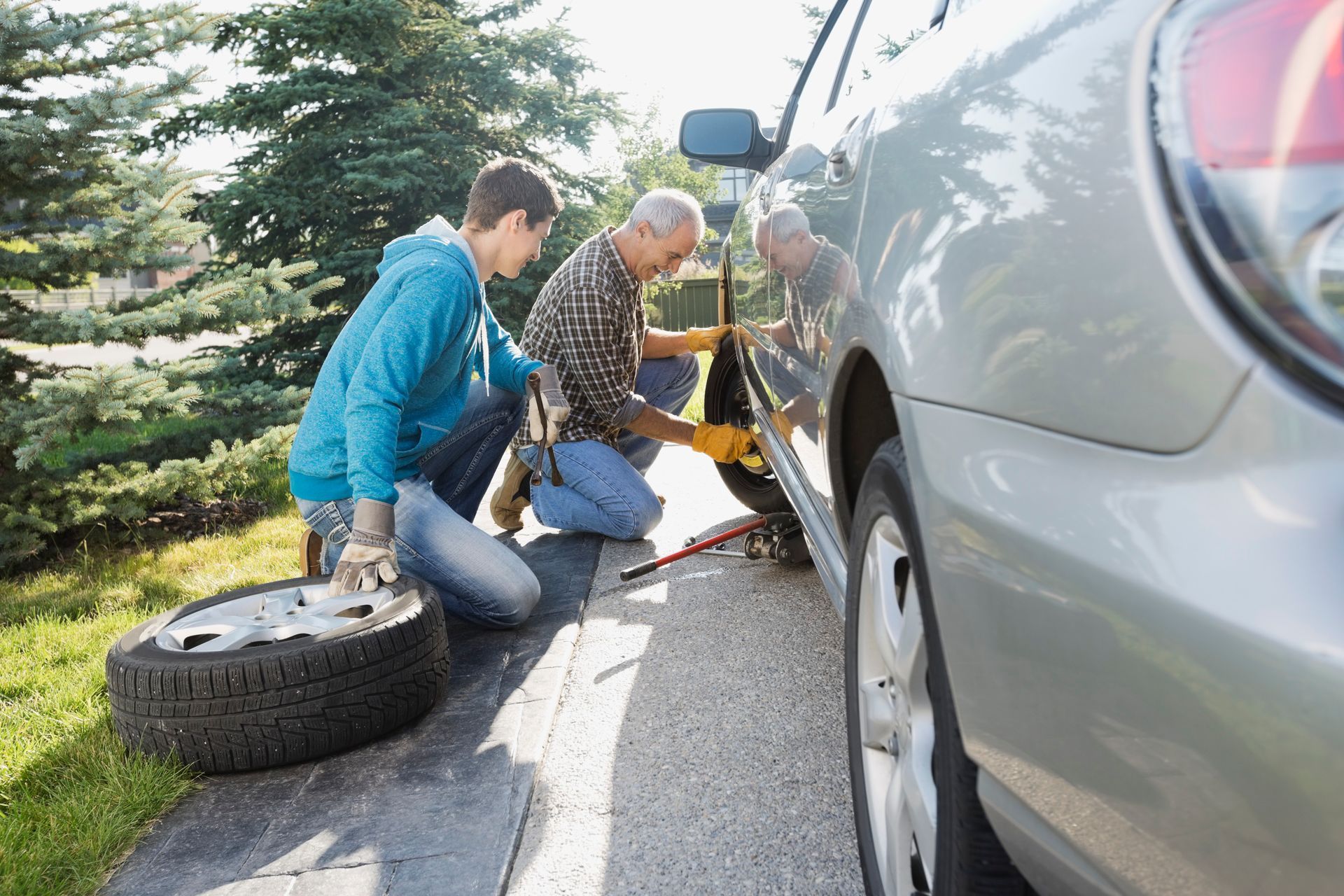
With the car safely in the air, you can finish unscrewing the lug nuts by hand and set them aside in a safe place where they won't roll away into the grass or a storm drain. Carefully pull the flat tire toward you and off the hub, then lay it flat on the ground so it doesn't roll into traffic. Now, grab your spare and align it with the bolts sticking out of the wheel hub. This can be a bit of a workout since tires are heavy, so take your time and mind your back. Once the spare is pushed flush against the hub, put the lug nuts back on and tighten them by hand as much as you can. This ensures the wheel stays straight before you lower the car back down. It is a simple step, but it is where many people get into trouble by not seating the wheel correctly.
5. Lower the Car and Tighten Everything Down
After the spare is on and the nuts are hand-tight, you can slowly lower the jack until the spare tire is touching the ground, but don't let the full weight of the car down just yet. You want just enough pressure to keep the wheel from turning while you do the final tightening. Use the lug wrench to tighten the nuts in a "star" pattern—basically, jumping across to the opposite nut rather than going in a circle. This ensures the wheel is tightened evenly against the hub, which prevents wobbling when you drive. Once they are as tight as you can get them, lower the jack the rest of the way and remove it. It is always a good idea to give the nuts one last firm tug with the wrench once the car is fully on the ground. Remember, a spare tire is usually a "donut," meaning it isn't designed for high speeds or long distances. You should check the sidewall for a speed rating, which is usually around 50 miles per hour.
6. Inspect the Spare and Clear the Scene
Before you hop back into the driver's seat, take a second to look over your work. Check that the spare looks properly inflated and isn't sagging under the weight of the car. If the spare looks low on air, you should proceed with extreme caution to the nearest gas station or, better yet, contact towing companies to assist with a tow or a portable air compressor. Once you are sure the tire is solid, gather up your flat tire, your jack, and your wrench and put them back in your vehicle. Don't leave anything on the side of the road, as it can be a hazard for other drivers. It is also a good time to wipe your hands off and take a deep breath. You’ve done the hard part! The experience of a flat can be jarring, but getting through it yourself is a great boost to your confidence as a driver. Just keep in mind that the job isn't truly finished until that flat tire is repaired or replaced.
7. Seek Professional Repair and Maintenance Services
The final step in the process is getting your original tire fixed. A spare tire is a bridge, not a permanent solution. You should head straight to a tire shop to see if your flat can be patched or if you need a new one entirely. While you are there, it is a great idea to have them check the pressure in all your tires and perhaps perform a rotation. Routine maintenance is the best way to prevent future flats and keep you from being stranded again. However, life happens, and sometimes you might find yourself with a flat in a dark, unsafe area or without the tools you need. In those moments, don't hesitate to reach out for professional assistance. Staying proactive about your vehicle’s health is the best way to ensure that the next time you're on the road, your journey is smooth and uninterrupted.
A flat tire doesn't have to be a major setback. By being prepared and following these steps, you can handle a flat tire situation efficiently, ensuring your safety and getting back on the road as quickly as possible. Understanding the procedure before facing a flat tire gives you the assurance to manage the event calmly and efficiently. Awareness, preparation, and execution are the keys to managing such circumstances. Reach out to E.A. Towing.