August 20, 2026
Experiencing a vehicle breakdown or an unexpected roadside emergency can feel overwhelming, especially if you have never needed to haul your car before. Knowing what steps to take during your initial experience with a local towing service helps ensure your personal security and prevents unnecessary stress. By taking a proactive approach, you can navigate the entire process smoothly and get back on track quickly.
Researching Service Providers Wisely
Taking a moment to evaluate your options ensures you receive dependable assistance during a roadside emergency. Checking public reviews and verifying business credentials gives you a clear picture of how a company handles customer vehicles and handles tight situations. Knowing that a local towing service maintains proper licensing and insurance provides instant peace of mind while you wait on the shoulder. Gathering feedback from family or friends can also point you toward a team that operates with complete transparency. Reaching out to a proven provider keeps your vehicle secure throughout the entire process.
Selecting the Proper Equipment
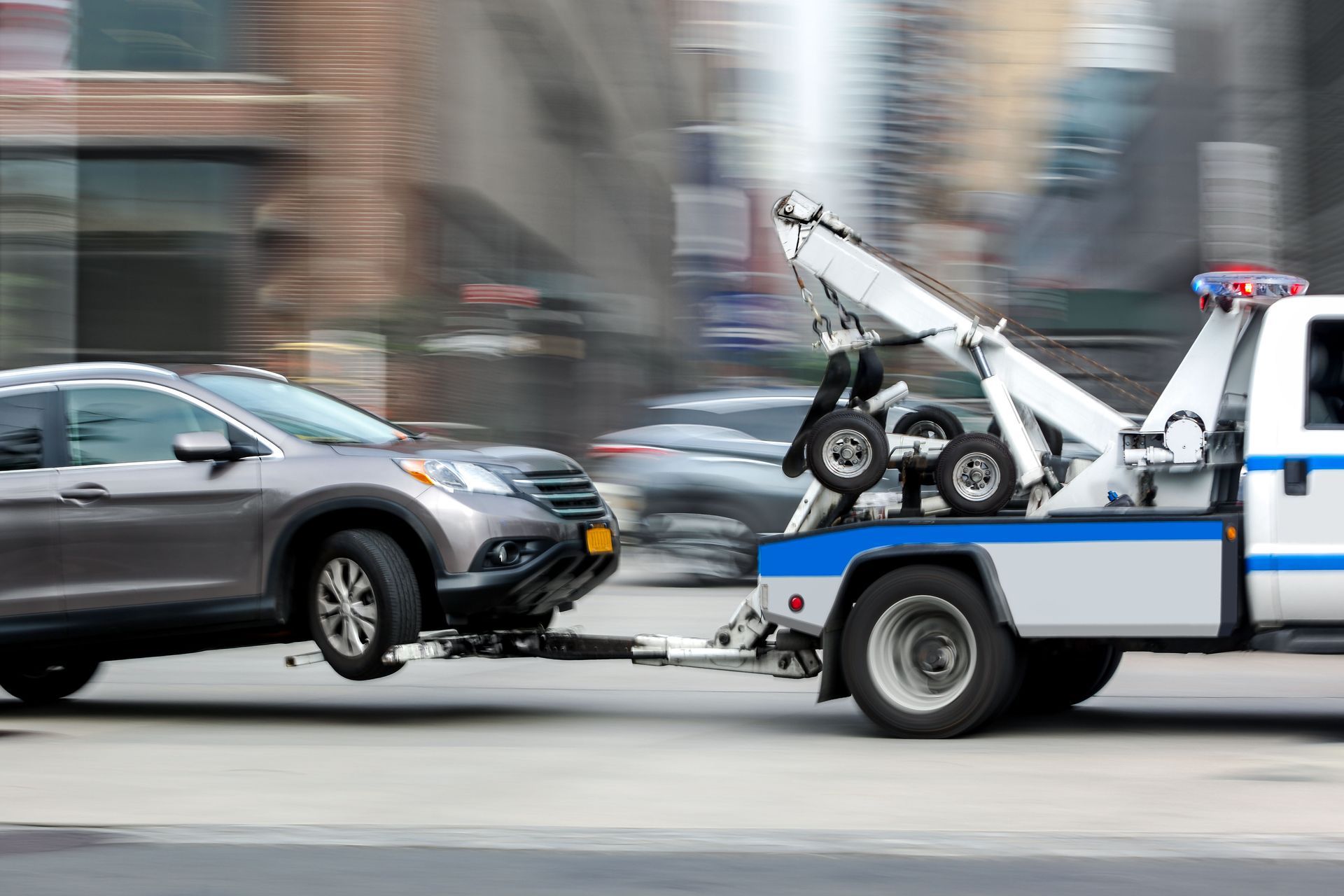
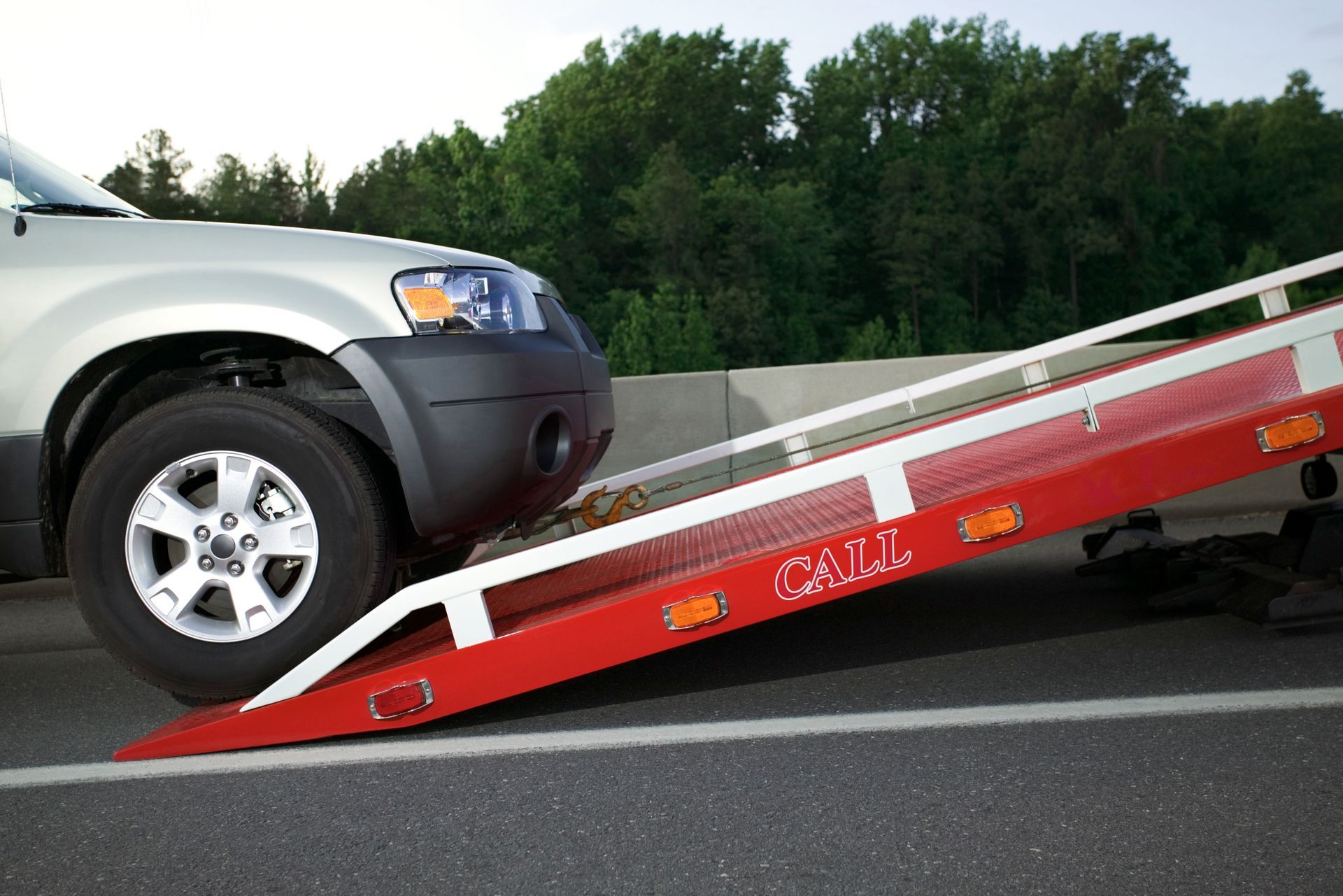
Different vehicles require distinct methods of transport to prevent damage to the drivetrain, frame, or bumper. Calling a local towing service allows you to explain the exact make, model, and condition of your car so that they dispatch the appropriate rig. Choosing flatbed transport is often ideal for wheel drive vehicles or low clearance cars because it lifts the entire frame off the roadway. Communicating clearly about your specific situation prevents unexpected delays when the operator arrives at your location. Proper equipment selection ensures your automobile arrives safely at its destination. Professional operators know how to secure each vehicle type using wheel straps and specialized tie-downs rather than harsh hooks. Taking these precautions protects your car's suspension and bodywork from avoidable stress throughout the journey.
Prioritizing Personal Safety at the Scene
While waiting for assistance on a busy highway or quiet neighborhood street, your physical safety comes first. Turn on your hazard lights immediately to alert oncoming traffic and stay inside your vehicle if you are parked on a narrow shoulder or near fast-moving traffic. Relying on a professional local towing service means expert help is already on the way, so there is no need to step into active lanes or accept rides from passing strangers. Keeping an emergency kit with a flashlight, water, and reflective gear in your trunk helps you stay comfortable during the brief wait. Staying alert and visible keeps you completely protected until help arrives.
Understanding Towing Distances and Costs
Before agreeing to a service, requesting a detailed breakdown of costs helps you manage your budget without any surprises. According to Look Up a Plate, the average tow in the US is between 10 miles and 40 miles, which makes understanding per-mile rates and hookup fees an important part of the planning process. A reliable local towing service will offer clear upfront pricing and explain how distance factors into your final bill. Asking about accepted payment methods ahead of time avoids extra hassle once your car arrives at the repair facility. Clear financial communication builds a seamless experience from start to finish.
Preparing Your Vehicle for Transport
Doing a quick sweep of your car before it is loaded onto the transport truck helps protect your personal items. Remove valuable items such as electronics, important documents, wallets, and house keys from the cabin, as transport operators are not responsible for loose personal items inside the vehicle. Informing your local towing service about underlying issues, such as broken axles or fluid leaks, allows the driver to take extra precautions during loading. Taking a minute to double-check your cabin ensures a smooth transition to the repair shop. A little preparation goes a long way toward protecting your possessions. Securing loose parking passes, garage door openers, and toll transponders also prevents them from getting misplaced while your vehicle is in transit. Additionally, snapping a picture of your dashboard ensures you have a record of your fuel level and mileage prior to handover.
Verifying Credentials Upon Arrival
When the transport vehicle pulls up to your location, verifying the driver's identity ensures you are dealing with the company you actually called. Check that the business name displayed on the truck matches the local towing service you contacted earlier. Professional operators will gladly present identification and confirm your destination details before attaching any equipment to your automobile. This simple verification step protects you from unauthorized haulers or unexpected scams on the roadside. Establishing clear confirmation keeps the entire operation secure and stress-free.
Documenting Vehicle Condition Thoroughly
Capturing the current state of your vehicle before it is winched or loaded provides valuable documentation for your records. Use your smartphone to take quick photos of the exterior, noting existing dents, paint scratches, and wheel condition from multiple angles. Sharing these details with your local towing service ensures both parties have a shared understanding of the car's initial state prior to transport. This straightforward step establishes clear accountability and protects your financial investment. Having visual documentation brings total confidence as your car is moved. Taking a quick photo of the dashboard also logs key details like your fuel level and odometer reading. These extra images provide comprehensive proof of condition, protecting both you and the driver from any misunderstandings later on.
Maintaining Open Communication
Staying in touch with the dispatch team and the driver keeps you informed about accurate arrival times and potential traffic delays. A high-quality local towing service provides direct contact details so you can update them if your location or vehicle situation changes. If weather conditions worsen or road closures occur, staying in direct contact allows the operator to adjust their route efficiently. Clear communication eliminates guessing games and reduces anxiety while waiting on the side of the road. Consistent updates make the overall waiting period pass much faster.
Conducting a Post Arrival Inspection
Once your automobile is unloaded at the auto body shop, home garage, or repair center, take a moment to look over the vehicle once more. Inspecting the bodywork and tires alongside the driver from the local towing service ensures everything arrived in the exact condition it was loaded. Addressing any questions or billing details on the spot resolves small matters immediately and concludes the service cleanly. Keeping your digital receipt or paper invoice helps if you plan to submit a claim to your auto insurance for reimbursement. A thorough final walk-through completes the process with complete clarity.
Saving Contact Info for the Future
Roadside issues rarely happen at convenient times, making foresight an essential part of smart vehicle ownership. Storing the phone number of a dependable local towing service in your phone contacts guarantees you are ready for any future flat tire, dead battery, or mechanical breakdown. Having a direct line saved eliminates frantic web searches during high-pressure moments on the highway. Sharing this contact info with family members keeps everyone in your household prepared for unexpected vehicle troubles. Being prepared turns potential crises into manageable minor inconveniences.
Navigating your first vehicle transport does not have to be a stressful ordeal when you follow basic safety guidelines and stay organized. By selecting proper equipment, verifying credentials, and documenting your car condition, you maintain complete control over the situation from start to finish. When unexpected roadside troubles happen, reach out to E.A. Towing for fast, dependable, and professional assistance to get you and your vehicle safely where you need to go.